Only read if you are not hungry!
Xiaolongbao

Served steamed in bamboo baskets, xiaolongbao look different from other types of Chinese dumplings, as the skin is gathered and pinched at the top instead of folded in half. Xiaolongbao are also unique in that aside from the traditional pork filling, a small piece of aspic is folded into the dumpling, which melts when steamed. Thanks to the broth, the filling stays moist and flavorful.
Ravioli

Ravioli is one of Italy’s most famous offerings - so famous that it has been exported across the world. It can be packed with anything from meat to cheese to vegetables, or any combination thereof.
Sichuan spicy wonton (chao shou)

The spicy Sichuan wonton, or chao shou, comes to the table drenched in a spicy chili oil flavored with Sichuan peppercorn and a black vinegar sauce. The chao shou is boiled and the very best specimens are so slippery they're nearly impossible to pick up with chopsticks.
Manti

Manti are Central Asia's take on East Asian dumplings eaten in Turkey, northwestern China, Azerbaijan and Kazakhstan. Adopted by Turks who traveled across Central Asia during the Mongol Empire, these dumplings can be filled with lamb, beef, quail or chicken - or be left unfilled. Turkish manti are served with yogurt and spiced with red pepper and melted butter.
Bryndzové halušky

Bryndzové halušky is a national dish in Slovakia and is a dish of potato dumplings served with bryndza, a Slovakian sheep's cheese, and sprinkled with bacon or pork fat.
Siomay

Siomay is closely related to the Cantonese dim sum snack, shumai. A steamed fish dumpling served with vegetables and peanut sauce was adopted from Chinese Indonesian cuisine. The best way to sample these dumplings is from a street vendor carting a steamer on his bicycle.
Shrimp wonton

The Hong Kong-style shrimp wonton is a thick dumpling holding shrimp and minced pork. It's commonly served with thin egg noodles or on its own in a seafood broth.
Pierogi

Originating in Central and Eastern Europe, pierogi are most commonly thought of as Polish. These dumplings can be stuffed with potato, minced meat, cheese, fruit or sauerkraut. They're usually boiled, then pan-fried in butter with onions.
Modak

Modak is a sweet from Maharashtra, offered to Lord Ganesha during Ganesh Chathurthi, the festival dedicated to him every year between August and September. The teardrop-shaped dumpling is kneaded from rice flour and stuffed with coconut and jaggery - an unrefined whole cane sugar.
Dushbara

Dushbara are classic Azerbaijani comfort food. These dumplings are filled with lamb or beef, and usually served in broth. They are folded by hand, a process made more difficult by their small size. Vinegar and garlic sauce tops it off with an extra kick.
Kartoffelknoedel

Found across Germany,
kartoffelknoedel, or potato dumplings, usually accompany meat dishes. The
Bavarian variant combines both raw and cooked potato, stuffed with a crouton or
bread filling.
Coxinha

This is a popular street food in Brazil: effectively chicken dumplings, made from fried dough with shredded chicken in the middle. They're shaped in the form of a teardrop, supposedly to resemble a chicken thigh - the dish was originally made from thigh meat. Some add potato to the dough before frying, for an extra carby oomph.
Pelmeni

Pelmeni are Russian dumplings from Siberia, likely introduced to Russian cuisine by the Mongols. Similar to Chinese jiaozi, Turkish manti and eastern European pierogi, pelmeni are distinguished by the thickness of the dumpling skin. Pelmeni may be stuffed with anything from meat to mushrooms to cheese, but never with anything sweet.
Dim sim

Some dumpling purists say that the Australian dim sim is merely a bastardized version of Chinese dumplings. Dim sim is a combination of meat or fish mixed with cabbage and enclosed in a wrapper. It may be steamed, deep-fried or barbecued, and is usually much larger than a Chinese dumpling. Dim sims usually taste gingery - a feature of westernized Chinese cuisine found in Australia, North America and Europe.
Brik

Brik is a spectacularly gooey Tunisian specialty. The word "brik" is thought to derive from Turkish, but this is a thoroughly Tunisian dumpling, a deep-fried triangle of deliciousness, often with an egg popped inside for extra gooey flavor. It can be filled with tuna, harissa and parsley, or anything from capers to cheese and meat.
Banh bot loc
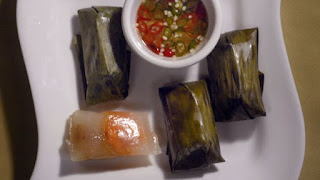
Banh bot loc are Vietnamese pork and shrimp dumplings, with wrappers made from tapioca flour. When cooked, tapioca flour becomes clear, giving the dumpling its appearance and the wrapper its chewy texture. There are two major variants: wrapped in banana leaves and steamed, or boiled.
Empanada

An empanada is pastry stuffed with meat, fish or other fillings, then baked or fried. In Argentina, the traditional fillings depend on where you are - olives are often worked into the filling in Mendoza, for example. Usually, though, you'll have a choice of meat - chicken and beef are classics.
Tangyuan

Tangyuan is a Chinese dessert - sticky balls made from glutinous rice flour containing a sweet filling, such as ground peanuts or black sesame paste, and served in a bowl of sweet soup or rolled in ground peanuts. Tangyuan is a favorite treat during the traditional Lantern Festival. Some tangyuan are served as smaller, unfilled rice balls in a soup made from cane sugar. In dessert shop chains all over Hong Kong, tangyuan are served with ice cream, topped with a drizzle of syrup.
Chicken and dumplings

Chicken and dumplings is probably the ultimate in Southern comfort food in the United States. Chicken soup is a dish found all over the world, but the addition of dumplings gives the soup an extra something. American dumplings are usually a mix of flour, vegetable shortening and milk - in this case, dropped directly into the chicken broth. The broth may be a clear chicken soup, or thickened with flour or cream.
Kimchi mandu

Mandu, the Korean take on dumplings, are more closely related to manti found in Central Asian cuisine than to Chinese or Japanese dumplings. Mandu are stuffed with kimchi and are often folded into circular shapes, a technique rarely found in Chinese cuisine.
Canederli

Canederli are golf ball-sized dumplings made from bread, stuffed with things like speck (a type of cured ham), cheese and onion. Italians flock to Alto Adige for traditional canederli.
Bawan

Bawan is a Taiwanese street snack commonly found in night markets around the island. A translucent wrapper made from rice flour, corn starch and sweet potato starch holds a stuffing of pork, bamboo shoots and mushrooms. Bawan is served with a sweet and savory sauce. The dumplings are steamed, then deep-fried to keep the wrapper from drying out.
Momo

Momo are dumplings found in northern Indian, Nepali and Tibetan cuisine. They may be filled with meat, vegetables or cheese, and are usually served with a tomato-based dipping sauce. Enterprising Nepali vendors in Kathmandu have also taken to filling momos with Snickers and Mars bars, especially in areas frequented by tourists.
Uszka

Uszka are similar to Polish pierogi and are usually served in soup. The word "uszka" means "little ears" in Polish. They're usually filled with minced meat and mushrooms and put in borscht soup. Uszka stuffed with bolete mushrooms and chopped onions without meat are served in clear borscht for Christmas Eve meals in Poland.
Gyoza

Related to Chinese pot stickers, Japanese gyoza tend to be made with thinner wrappers and filled with minced pork. Frozen gyoza are found in most grocery stores all over the world, but the best restaurants for gyoza always turn out to be holes-in-the-wall outside of Tokyo subway stations.
Crab rangoon

Found on Chinese takeout menus in the United States, crab rangoon are deep-fried dumplings served as a side dish. They're stuffed with cream cheese and imitation crab meat made from a fish-based paste. It may not be an authentic Chinese dish, but love of fried cheese crosses cultures.
Teochew fun gor

Not your typical pork-filled dumpling, the Teochew fun gor is usually packed with peanuts, chives, dried shrimp, pork, radish, mushrooms and cilantro. The wrapper is made of a combination of wheat flour, tapioca flour, corn starch and potato starch, giving the fun gor its translucent appearance. Teochew fun gor is most popular in Cantonese dim sum restaurants.
Samosa

Usually triangular in shape, samosas are a deep-fried snack popular in south and southeast Asia. They may be filled with a variety of stuffings, including potato, onions, peas, lentils and ground lamb.
Khinkali

Straddling Eastern Europe, Russia, and Central Asia, it's not surprising that Georgia has its own dumpling. The khinkali resembles the xiaolongbao. It's formed by gathering the pleats of the wrapper at the top and stuffed with spiced beef and pork. Khinkali are usually served with coarse ground black pepper.
Gnocchi

Gnocchi are small, thick pasta shapes that can be made from semolina flour, potato, flour, eggs, cheese, or a combination of the lot. They originated in northern Italy, though are eaten throughout the country today, with recipes varying from region to region. Gnocchi are prepared like other pasta dishes, and may be served in tomato-based sauces, pesto sauces or with any other sauce you might find on pasta.
Daifuku

Duty-free shops in Japanese airports are packed with what look like mountains of pre-wrapped boxes of Japanese treats. Many of these boxes actually contain daifuku. They are a type of mochi (glutinous rice cakes), only they're stuffed, usually with sticky-sweet red azuki. Daifuku are popular as gifts in Japan, specialty stores that create a dazzling array of varieties move countless boxes over holiday periods.
Amish apple dumpling

The apple dumpling is popular across the United States, and common among the Amish, especially in and around Pennsylvania. A peeled and cored apple is stuffed with cinnamon and sugar, then wrapped in a piece of dough and baked until the apple becomes tender. The pairing of the apple dumpling, fresh from the oven, with a scoop of vanilla ice cream on top makes for a divine dessert.
Ravioli del plin

Every region of Italy produces its own filled pasta, of course, but these, from southern Piedmont, are particularly prized. Much smaller than regular ravioli - they're barely bigger than Bolognese tortellini - they're filled with either a meat mix (which often includes rabbit) and served with a glaze of meaty sauce, or contain a vegetable mix, often cabbage with rice. As well as being small in size, the pasta is also rolled super thin, so the dumplings seem to melt in the mouth. "Plin" isn't the place where they came from; the word derives from a local dialect word for "pinch," as the pockets are pinched together by hand.
Shish barak

This is the ultimate Lebanese comfort food: lamb dumplings, similar to manti, and served drenched in yoghurt - usually goat, rather than cow, to give the flavor a bit more bang. The lamb is mixed with pine nuts and spices before being wrapped in the dough, and slow-cooked in the yoghurt with water. It's labor-intensive - requiring constant stirring, to keep the consistency.
Ashak

These vegetarian dumplings hail from Afghanistan, and are also similar to manti. Recipes vary, but the stalwart is some kind of green vegetable inside, which can be chives, scallions, or celery, as they make it in Venice's refugee-run Orient Experience restaurant. Ashak are normally topped with a stewy lentil kind of sauce, and yogurt.
Source: https://www.cnn.com/travel/article/dumplings-worlds-best-35/index.html


